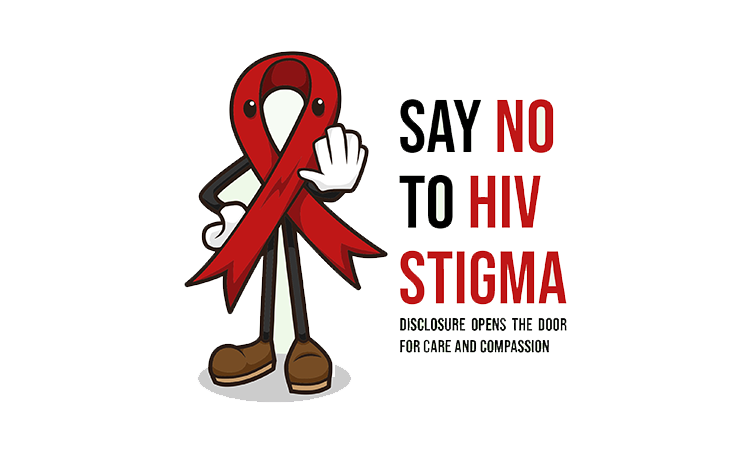
Stigma is a negative attitude or belief about a person because of a particular condition.
Discrimination is treating someone unfairly because of who they are.
Self-stigma occurs when a person living with HIV feels shame or guilt because of negative beliefs about HIV.
It can reduce self-confidence and make it harder to seek care and support.
HIV-related stigma is negative attitude, fear, or prejudice directed at people living with or affected by HIV whereas HIV-related discrimination is the unfair treatment of someone because of their real or perceived HIV status.
Fear of stigma may prevent people from getting tested for HIV.
Yes. Stigma and discrimination can cause stress, anxiety, depression, and discourage people from seeking healthcare. It may discourage people from starting or continuing HIV treatment.
People living with HIV, their families, partners, caregivers, and even healthcare workers/practitioners.
Fear of the unknown, lack of accurate education, and old myths about how diseases are transmitted.
Through gossip, name-calling, avoidance, and unfair social treatment of individuals.
Yes. Accurate information helps correct myths, misconceptions, and reduce fear.
By showing love, respect, encouragement, and helping them access treatment and care.
No. HIV is not spread through casual everyday contact. It will therefore not be helpful to isolate or quarantine persons living with HIV. That would be grossly against their inalienable human rights.
Yes. People living with HIV can have healthy relationships and marriages. They may get married to HIV-negative persons and not infect them. To read more about discordant couples click here.
Yes. With proper medical care, they can have HIV-negative children.
Show empathy, be non-judgmental, and keep the information confidential.
No. A person's HIV status is private and should remain confidential.
By treating everyone with respect, maintaining confidentiality, and providing quality care.
No. Everyone deserves equal treatment and opportunities, regardless of their HIV status. In Ghana, the Ghana AIDS Commission Act, 2016 (Act 938) prohibits discrimination at the workplace.
By promoting social inclusion and respect for people living with HIV.
It protects their privacy and encourages them to seek healthcare without fear.
Speak up respectfully, support the affected person, and report the discrimination to the appropriate authorities.
Yes. With regular treatment and care, people living with HIV can live long, healthy, and productive lives. To read more about ART treatment here click here.
Learn the facts about HIV, treat everyone with dignity and respect, challenge myths, and support people living with HIV.