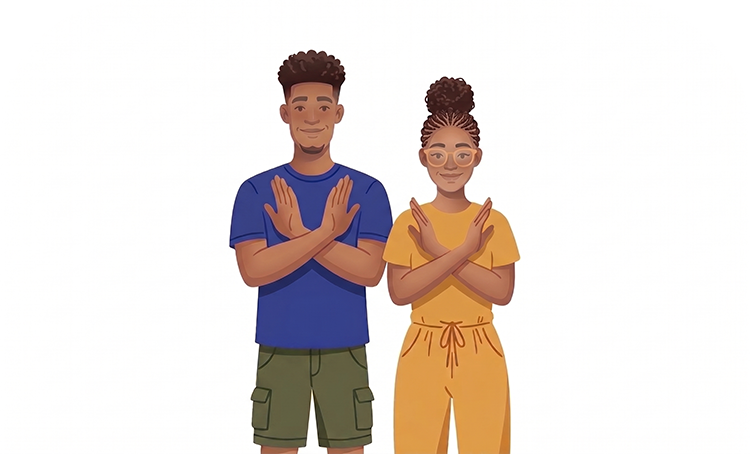
It is a voluntary choice not to engage in any form of sexual activity in order to avoid pregnancy, HIV and other STIs.
It is 100% effective at preventing sexual transmission of HIV, because HIV cannot be passed on when there is no sexual contact.
No. Anyone can choose abstinence at any point, including people who have been previously sexually active. This is sometimes called secondary abstinence.
Yes. Some people choose abstinence for a season of life, such as while in school, between partners, or while focusing on personal goals.
It is a personal decision. It works best when a person genuinely decides on it and has support to stick to it, rather than it being forced on them.
Setting clear personal limits in advance, avoiding situations that create pressure to have sex, and communicating the decision clearly to a partner.
Say no clearly and firmly. Avoid the company of this partner if need be. Remember that a partner who respects you will respect your decision.
No. Abstinence specifically means avoiding sexual intercourse. Many people who abstain still express affection in non-sexual ways, such as talking, hugging, or spending time together.
Yes, especially if they have ever had sex, shared needles, or been exposed in other ways.
No. Abstinence is a choice available to anyone at any age or relationship status, including married individuals during some specific periods.
No. Abstinence is simply one of several informed choices a person can make about their sexual health.
Open conversations with a trusted adult, counsellor, or peer group, along with accurate information about HIV and sexual health, can strengthen a person's resolve to maintain their decision.
Yes. Peer pressure is one of the most common reasons people abandon abstinence. Being clear about personal reasons for the choice and choosing supportive friends can help resist this pressure.
They should get tested, discuss HIV/STI openly with their partner, and use effective prevention methods such as condom (correctly and consistently).