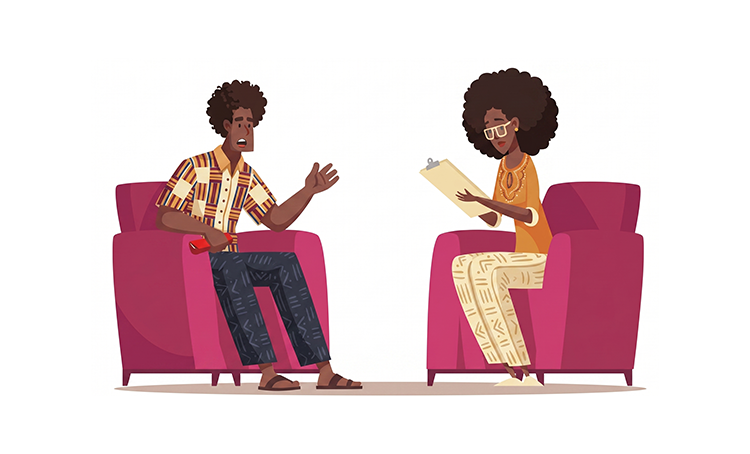
Disclosure is the process of sharing personal information, such as one's HIV status, with another person.
HIV status disclosure means informing someone that you have tested positive for HIV or you are living with HIV.
Disclosure can help people access support, treatment, care, and reduce the risk of transmitting HIV to others.
To trusted individuals such as partner, family member, friend, or healthcare provider.
No. Disclosure should be voluntary and based on a person's readiness and comfort, while following relevant laws and guidelines.
The best time is when a person feels prepared, safe, and able to have the conversation.
Not necessarily. A person may need time, counselling, and support before deciding when and how to disclose.
A healthcare provider, counsellor, or trained support person.
Their safety, person they want to disclose to, possible reaction, and the support available.
Yes. Honest communication and support after disclosure can strengthen trust in relationships.
Voluntary disclosure is when a person chooses to share their HIV status willingly without pressure or force.
Assisted disclosure is when a trained healthcare practitioner or counsellor supports someone in informing another person about their HIV status.
Partner disclosure is when a person shares their HIV status with their sexual or intimate partner.
It allows partners to make informed decisions about testing, prevention, treatment, and support.
Yes. Open and supportive conversations about HIV can help reduce fear, misinformation, and stigma.
Seek counselling and support from trusted people or healthcare provider before disclosing.
Counselling helps individuals understand disclosure, prepare emotionally, and plan how to communicate their status.
Yes. Children should be informed about their status in an age-appropriate way with proper support.
Parents, caregivers, healthcare practitioners, counsellors or trained support persons.
Yes. Disclosure may bring different emotions including fear, relief, anxiety, or acceptance.
Pressure, blame, discrimination, judgment, and sharing someone's status without permission.
No. A person's HIV status is private information and should not be shared without consent. In Ghana, this is an offence as contained in the Ghana AIDS Commission Act, 2016 (Act 938).
Show kindness, avoid judgment, and encourage treatment and care.
No. A person can choose who to disclose to, based on trust, safety, and personal circumstances.
Yes. Support after disclosure can encourage people to seek healthcare and remain on treatment.
No, medical practitioners are legally required to keep health information completely private and confidential. As mentioned earlier, it is a breach of Act 938.